
Hormones play a crucial role in regulating many processes in the body, including metabolism and weight. If you’re trying to lose weight and finding it difficult, it’s possible that imbalances in your hormones may be contributing to the problem. Here is an in-depth look at some hormones that can affect weight loss and what you can do to help address them:
- Leptin: This hormone is produced by fat cells and helps regulate energy balance in the body. When levels of leptin are high, it signals to the brain that the body has enough stored energy and that it is not necessary to eat. Conversely, low levels of leptin can cause feelings of hunger and lead to weight gain. Leptin resistance, which occurs when the hormone is not able to effectively communicate with the brain, is also linked to obesity.
- Ghrelin: This hormone is produced in the stomach and stimulates appetite. It is released in higher amounts when the stomach is empty and can contribute to weight gain if levels remain elevated for extended periods. Ghrelin levels are also influenced by factors such as sleep and stress.
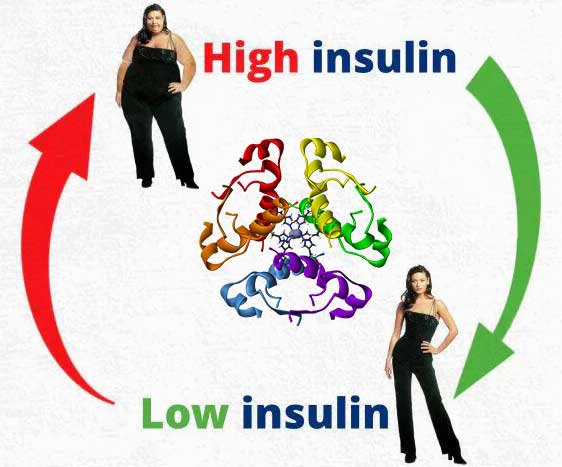
- Insulin: This hormone is produced by the pancreas and helps regulate blood sugar levels. High insulin levels can lead to fat storage and weight gain, particularly in the abdominal area. Insulin resistance, which occurs when the body becomes less sensitive to the hormone, is a common precursor to type 2 diabetes and can also contribute to weight gain.
- Cortisol: This hormone is produced by the adrenal glands in response to stress. It can increase appetite and cause the body to store fat, particularly in the abdominal area. Chronic stress and elevated cortisol levels have been linked to weight gain and difficulty losing weight.
- Estrogen: This hormone is produced by the ovaries in women and can play a role in weight gain, particularly around menopause when estrogen levels decline. Estrogen dominance, which occurs when estrogen levels are too high relative to progesterone, is also linked to weight gain, particularly in the hips and thighs.
- Testosterone: This hormone is produced by the testes in men and can help regulate metabolism and body composition. Low testosterone levels can contribute to weight gain, particularly in men.
There are several steps that you can take to help address hormonal imbalances and support weight loss:
- Eat a healthy, balanced diet: Focus on whole, unprocessed foods that are rich in nutrients and fiber. Avoid sugary and processed foods, which can contribute to hormonal imbalances and weight gain.
- Exercise regularly: Physical activity can help regulate hormones and support weight loss. Aim for at least 150 minutes of moderate-intensity exercise per week.
- Get enough sleep: Lack of sleep can disrupt hormone levels and contribute to weight gain. Aim for 7-9 hours of sleep per night.
- Manage stress: Chronic stress can lead to elevated cortisol levels and contribute to weight gain. Practice stress-reducing activities such as meditation, yoga, or deep breathing.
- Consider hormone therapy: If you are experiencing hormonal imbalances due to menopause or other factors, hormone therapy may be an option to consider. Consult with a healthcare professional to determine if it is right for you.
It’s important to remember that weight loss and hormone balance are complex processes that are influenced by a variety of factors. It may be necessary to work with a healthcare professional to identify any underlying issues and develop a personalized plan to help you achieve your weight loss goals.


 Fit for everyone