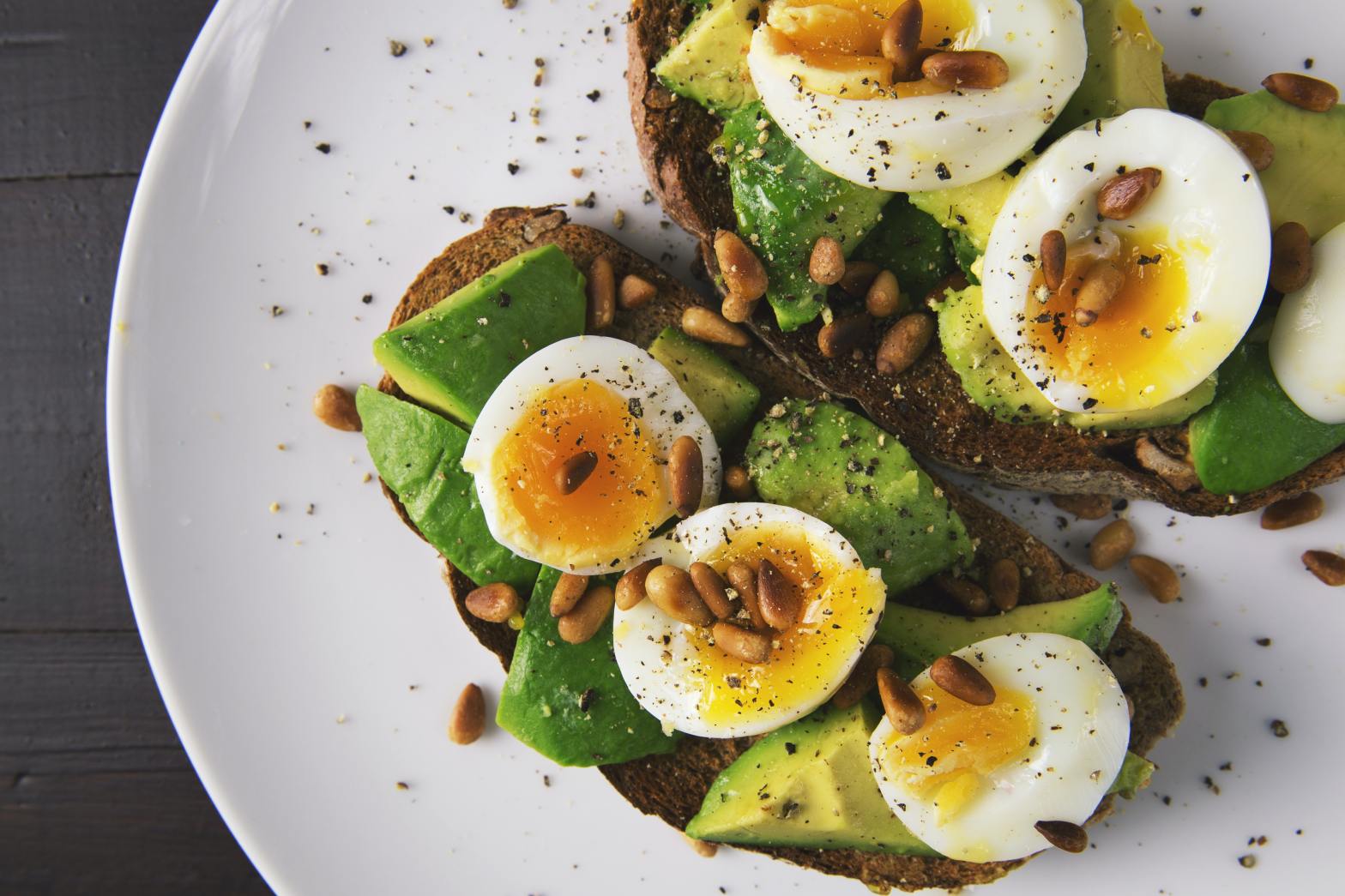
The ketogenic diet, or keto diet for short, is a low-carb, high-fat diet that has been used for centuries to treat certain medical conditions. More recently, it has gained popularity as a weight loss and general health diet. The goal of the keto diet is to get your body into a state of ketosis, where it is burning fat for energy instead of carbohydrates.
If you’re new to the keto diet and wondering how to get started, here is a detailed beginner’s guide:
- Understand the basics: The keto diet is a high-fat, moderate-protein, and very low-carb diet. It typically contains 75% fat, 20% protein, and only 5% carbs. By drastically reducing carbs and increasing fat, your body enters a metabolic state called ketosis, where it begins to burn fat for fuel instead of carbs. This process can lead to weight loss and other health benefits.
- Calculate your macros: To follow the keto diet, you need to know how many grams of fat, protein, and carbs you should be eating each day. This can be calculated using a macro calculator or by working with a nutritionist. The exact ratio of fat, protein, and carbs will depend on your individual needs and goals.
- Choose keto-friendly foods: The keto diet is not about counting calories, it’s about eating the right types of foods. Some good options for a keto diet include avocado, olive oil, coconut oil, nuts, seeds, and full-fat dairy products. You should also eat plenty of low-carb vegetables, such as spinach, broccoli, and kale. It’s important to choose minimally processed, whole foods as much as possible.
- Know what to avoid: There are some foods that are not allowed on the keto diet, or should be limited. These include sugary foods, grains, and most fruits. You should also avoid processed foods and foods high in carbs, such as bread, pasta, and rice. It’s also important to limit your intake of protein, as eating too much can kick you out of ketosis.
- Stay hydrated: It’s important to drink plenty of water on the keto diet to stay hydrated and to help your body get into ketosis. You should aim to drink at least 8 glasses of water a day. It’s also a good idea to drink electrolyte-rich beverages, such as coconut water or bone broth, to help balance out the electrolytes lost through ketosis.
- Plan your meals: To make the keto diet easier to follow, it’s a good idea to plan your meals in advance. This can help you stick to the diet and make sure you’re getting all the nutrients you need. You can use a meal planning app or create a meal plan on your own. Be sure to include a variety of keto-friendly foods to ensure you’re getting all the nutrients you need.
- Consider supplements: While the keto diet can be very nutritious, it may be difficult to get all the nutrients you need from food alone. Some people choose to take supplements, such as magnesium and potassium, to help fill in any gaps. It’s important to speak with a healthcare professional before starting any supplements, as they can help you determine which ones are right for you.
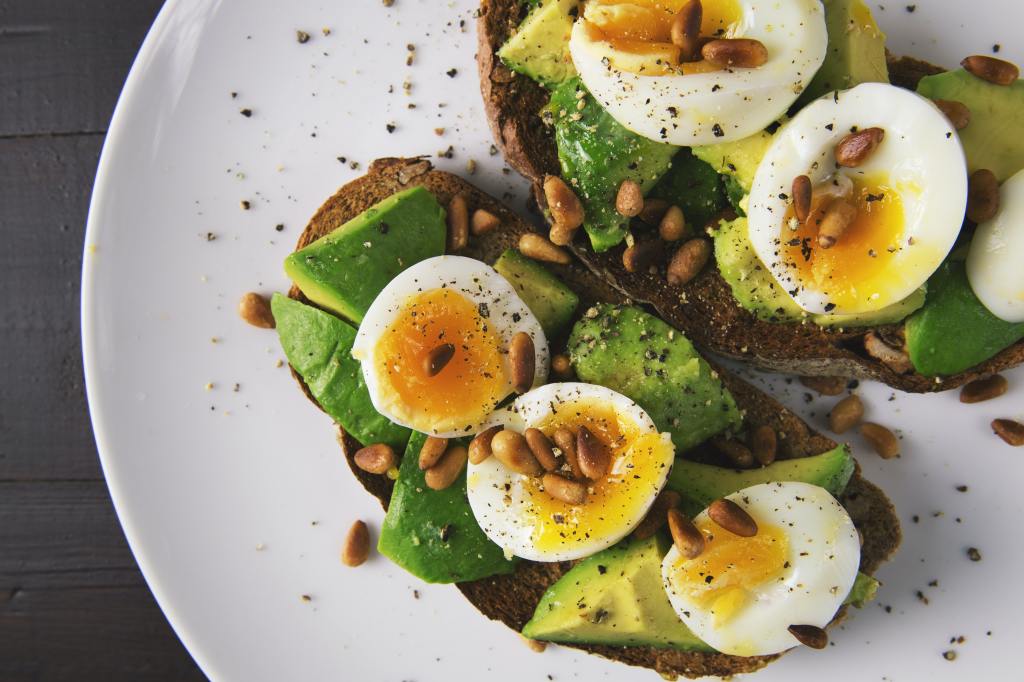
Click Here for a Comprehensive 30 Days Keto Diet Meal Plan
The keto diet can be a powerful tool for weight loss, but it’s important to speak with a healthcare professional before starting any new diet. They can help you determine if the keto diet is right for you and provide guidance on how to follow it safely.
 Fit for everyone