Compound exercises are movements that work multiple muscle groups at the same time. These types of exercises are great for building overall strength and muscle mass, as well as improving functional fitness. Here are some of the benefits of incorporating compound exercises into your workout routine, along with examples of exercises that qualify as compound movements:
- Greater energy expenditure: Compound exercises require more energy to perform than isolation exercises, which work only one muscle group at a time. This means that you’ll burn more calories during a workout that includes compound exercises, making them a great choice for weight loss and fat loss.
- Increased hormone release: Compound exercises also lead to an increase in the release of hormones such as testosterone and growth hormone, which can aid in muscle growth and repair.
- Improved functional fitness: Compound exercises mimic real-life movements, such as picking up a heavy object or pushing a heavy load. By training with these types of exercises, you’ll be better equipped to handle these types of tasks in your everyday life.
- Increased core engagement: Many compound exercises involve the core muscles, which are the muscles of the abdomen and back. This increased engagement can help to improve core strength, which is important for overall fitness.
Click Here to learn more about ABL Dietary Supplement
Here are some examples of compound exercises and their detailed explanation:
- Squat: The squat is a classic compound exercise that works multiple muscle groups at the same time. The primary muscle groups targeted by the squat are the quadriceps, glutes, and hamstrings. The quadriceps, located in the front of the thigh, are responsible for extending the knee. The glutes, located in the buttocks, are responsible for hip extension. The hamstrings, located in the back of the thigh, are responsible for knee flexion. During a squat, all of these muscle groups work together to lower and raise your body.
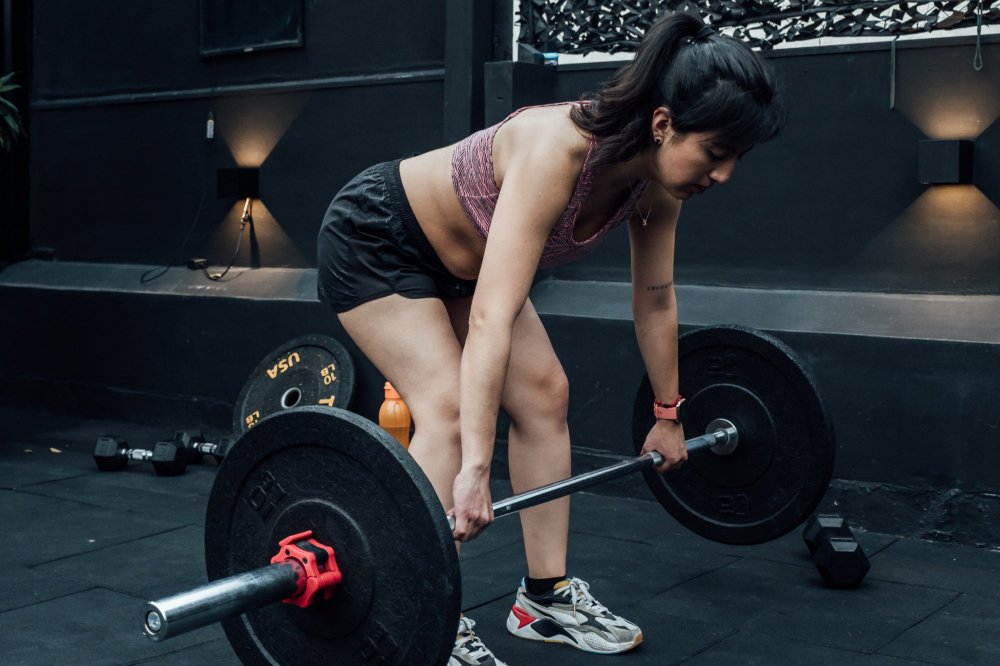
- Deadlift: The deadlift is another compound exercise that works multiple muscle groups. The primary muscle groups targeted by the deadlift are the glutes, hamstrings, and back muscles. The glutes, located in the buttocks, are responsible for hip extension. The hamstrings, located in the back of the thigh, are responsible for knee flexion. The back muscles, including the erector spinae and lats, help to maintain proper spinal alignment and assist in the lifting motion.
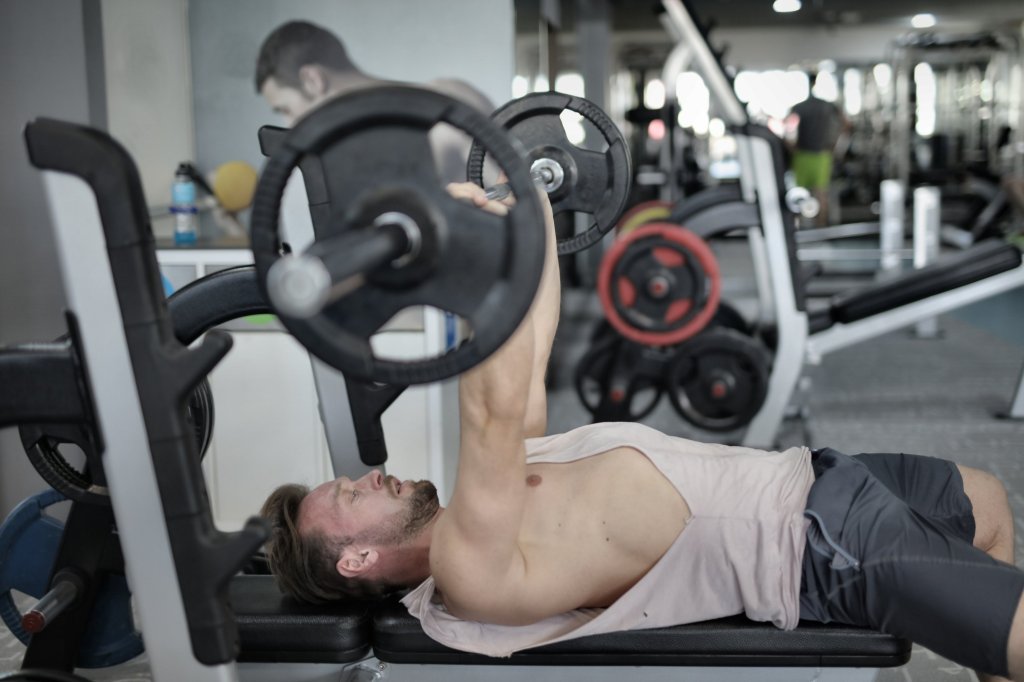
- Bench press: The bench press is a compound exercise that primarily works the chest, shoulders, and triceps. The chest muscles, or pectorals, are responsible for adducting the arm and moving it across the front of the body. The shoulders, or deltoids, are responsible for lifting and rotating the arm. The triceps, located in the back of the upper arm, are responsible for extending the arm.
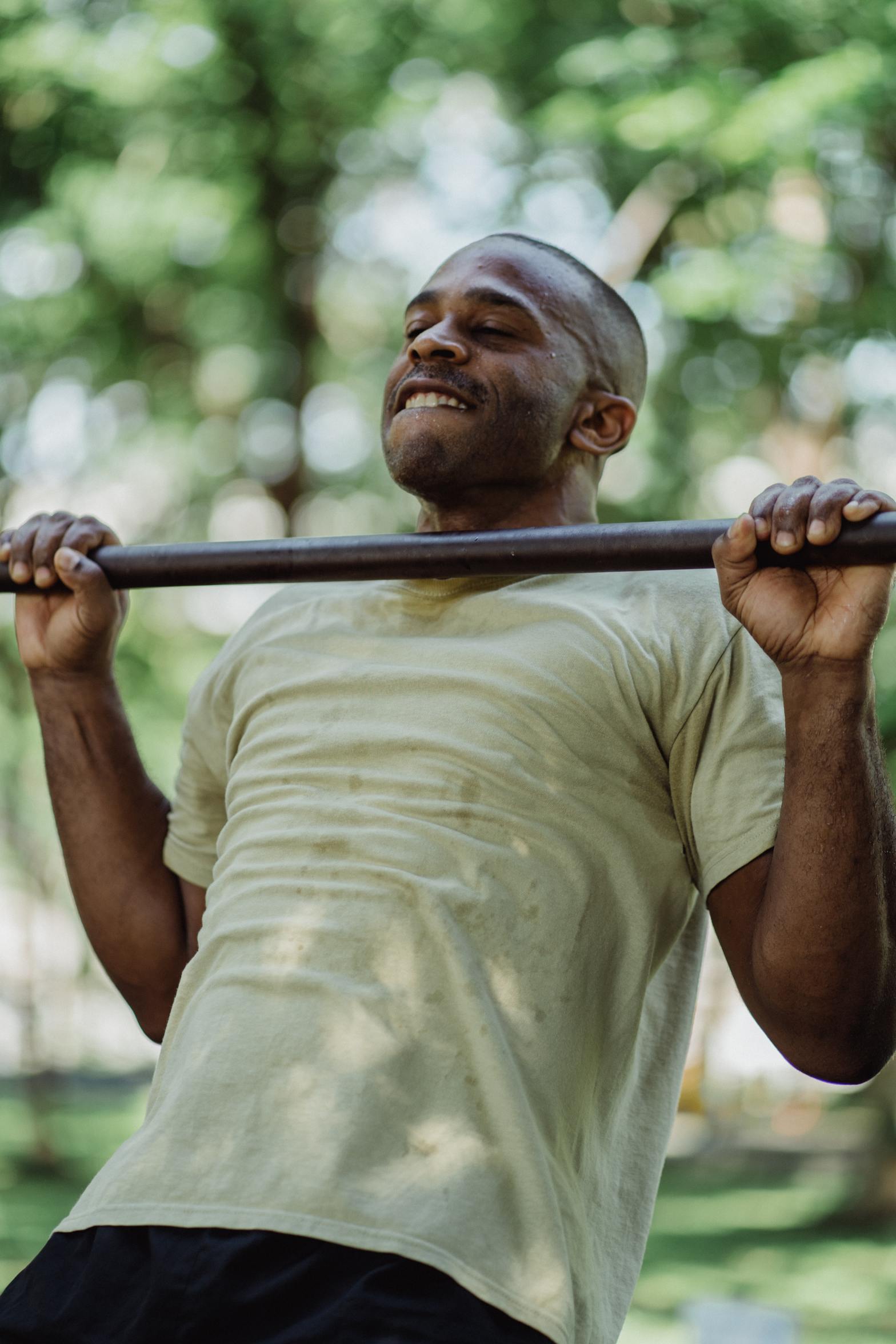
- Pull-up: A pull-up is a compound exercise that primarily works the back, shoulders, and biceps. The latissimus dorsi, or lats, are the largest muscle of the back and are responsible for pulling the arm down and toward the body. The shoulders and trapezius muscle are also involved in the pull-up as they stabilizing the movement. The biceps, located in the front of the upper arm, also play a role in the pull-up as they help to lift the body upward.
- Row: Rows are a compound exercise that primarily works the back and biceps. The main muscle used in a row is the latissimus dorsi, or lats, which are the largest muscle of the back. The rows also engage the rhomboids, teres major and minor, and rear deltoids. The biceps, located in the front of the upper arm, also play a role in the row as they assist in lifting the weight.
- Lunges: Lunges are a compound exercise that work the quadriceps, glutes, and hamstrings. The quadriceps, located in the front of the thigh, are responsible for extending the knee. The glutes, located in the buttocks, are responsible for hip extension. The hamstrings, located in the back of the thigh, are responsible for knee flexion. During a lunge, all of these muscle groups work together to lower and raise your body.
Click Here to learn more about ABL Dietary Supplement
It’s important to keep in mind that when performing these exercises it’s essential to maintain proper form in order to prevent injury and maximize the effectiveness of the exercise. Also, it’s important to progress incrementally, not to overload your body at the begining of your journey, it will help to avoid injury, aches and provide better results over time.

 Fit for everyone