“Building Strength and Muscle: The Benefits of Incorporating Compound Exercises in Your Routine”

Compound exercises are movements that work multiple muscle groups at the same time. These types of exercises are great for building overall strength and muscle mass, as well as improving functional fitness. Here are some of the benefits of incorporating compound exercises into your workout routine, along with examples of exercises that qualify as compound movements:

  1. Greater energy expenditure: Compound exercises require more energy to perform than isolation exercises, which work only one muscle group at a time. This means that you’ll burn more calories during a workout that includes compound exercises, making them a great choice for weight loss and fat loss.
  2. Increased hormone release: Compound exercises also lead to an increase in the release of hormones such as testosterone and growth hormone, which can aid in muscle growth and repair.
  3. Improved functional fitness: Compound exercises mimic real-life movements, such as picking up a heavy object or pushing a heavy load. By training with these types of exercises, you’ll be better equipped to handle these types of tasks in your everyday life.
  4. Increased core engagement: Many compound exercises involve the core muscles, which are the muscles of the abdomen and back. This increased engagement can help to improve core strength, which is important for overall fitness.

Click Here to learn more about ABL Dietary Supplement

Here are some examples of compound exercises and their detailed explanation:

  1. Squat: The squat is a classic compound exercise that works multiple muscle groups at the same time. The primary muscle groups targeted by the squat are the quadriceps, glutes, and hamstrings. The quadriceps, located in the front of the thigh, are responsible for extending the knee. The glutes, located in the buttocks, are responsible for hip extension. The hamstrings, located in the back of the thigh, are responsible for knee flexion. During a squat, all of these muscle groups work together to lower and raise your body.
  2. Deadlift: The deadlift is another compound exercise that works multiple muscle groups. The primary muscle groups targeted by the deadlift are the glutes, hamstrings, and back muscles. The glutes, located in the buttocks, are responsible for hip extension. The hamstrings, located in the back of the thigh, are responsible for knee flexion. The back muscles, including the erector spinae and lats, help to maintain proper spinal alignment and assist in the lifting motion.
  3. Bench press: The bench press is a compound exercise that primarily works the chest, shoulders, and triceps. The chest muscles, or pectorals, are responsible for adducting the arm and moving it across the front of the body. The shoulders, or deltoids, are responsible for lifting and rotating the arm. The triceps, located in the back of the upper arm, are responsible for extending the arm.
  4. Pull-up: A pull-up is a compound exercise that primarily works the back, shoulders, and biceps. The latissimus dorsi, or lats, are the largest muscle of the back and are responsible for pulling the arm down and toward the body. The shoulders and trapezius muscle are also involved in the pull-up as they stabilizing the movement. The biceps, located in the front of the upper arm, also play a role in the pull-up as they help to lift the body upward.
  5. Row: Rows are a compound exercise that primarily works the back and biceps. The main muscle used in a row is the latissimus dorsi, or lats, which are the largest muscle of the back. The rows also engage the rhomboids, teres major and minor, and rear deltoids. The biceps, located in the front of the upper arm, also play a role in the row as they assist in lifting the weight.
  6. Lunges: Lunges are a compound exercise that work the quadriceps, glutes, and hamstrings. The quadriceps, located in the front of the thigh, are responsible for extending the knee. The glutes, located in the buttocks, are responsible for hip extension. The hamstrings, located in the back of the thigh, are responsible for knee flexion. During a lunge, all of these muscle groups work together to lower and raise your body.

Click Here to learn more about ABL Dietary Supplement

It’s important to keep in mind that when performing these exercises it’s essential to maintain proper form in order to prevent injury and maximize the effectiveness of the exercise. Also, it’s important to progress incrementally, not to overload your body at the begining of your journey, it will help to avoid injury, aches and provide better results over time.

Click Here to learn more about ABL Dietary Supplement

“Hormonal Imbalances and Weight Loss: How Leptin, Ghrelin, Insulin, Cortisol, Estrogen, and Testosterone Affect Metabolism and What to Do About It”

Hormones play a crucial role in regulating many processes in the body, including metabolism and weight. If you’re trying to lose weight and finding it difficult, it’s possible that imbalances in your hormones may be contributing to the problem. Here is an in-depth look at some hormones that can affect weight loss and what you can do to help address them:

  1. Leptin: This hormone is produced by fat cells and helps regulate energy balance in the body. When levels of leptin are high, it signals to the brain that the body has enough stored energy and that it is not necessary to eat. Conversely, low levels of leptin can cause feelings of hunger and lead to weight gain. Leptin resistance, which occurs when the hormone is not able to effectively communicate with the brain, is also linked to obesity.
  2. Ghrelin: This hormone is produced in the stomach and stimulates appetite. It is released in higher amounts when the stomach is empty and can contribute to weight gain if levels remain elevated for extended periods. Ghrelin levels are also influenced by factors such as sleep and stress.
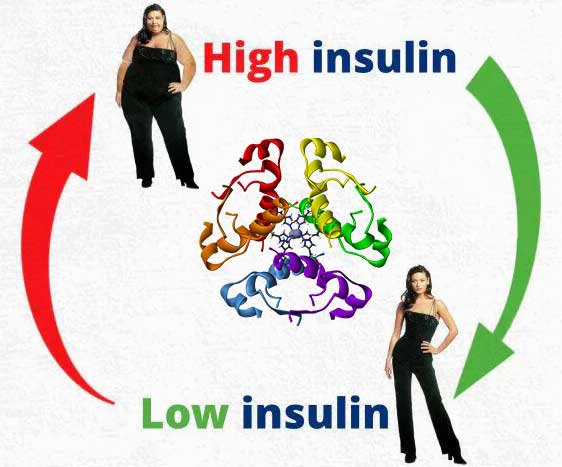
  3. Insulin: This hormone is produced by the pancreas and helps regulate blood sugar levels. High insulin levels can lead to fat storage and weight gain, particularly in the abdominal area. Insulin resistance, which occurs when the body becomes less sensitive to the hormone, is a common precursor to type 2 diabetes and can also contribute to weight gain.
  4. Cortisol: This hormone is produced by the adrenal glands in response to stress. It can increase appetite and cause the body to store fat, particularly in the abdominal area. Chronic stress and elevated cortisol levels have been linked to weight gain and difficulty losing weight.
  5. Estrogen: This hormone is produced by the ovaries in women and can play a role in weight gain, particularly around menopause when estrogen levels decline. Estrogen dominance, which occurs when estrogen levels are too high relative to progesterone, is also linked to weight gain, particularly in the hips and thighs.
  6. Testosterone: This hormone is produced by the testes in men and can help regulate metabolism and body composition. Low testosterone levels can contribute to weight gain, particularly in men.
Click Here to Learn about Hormonal Harmony

There are several steps that you can take to help address hormonal imbalances and support weight loss:

  1. Eat a healthy, balanced diet: Focus on whole, unprocessed foods that are rich in nutrients and fiber. Avoid sugary and processed foods, which can contribute to hormonal imbalances and weight gain.
  2. Exercise regularly: Physical activity can help regulate hormones and support weight loss. Aim for at least 150 minutes of moderate-intensity exercise per week.
  3. Get enough sleep: Lack of sleep can disrupt hormone levels and contribute to weight gain. Aim for 7-9 hours of sleep per night.
  4. Manage stress: Chronic stress can lead to elevated cortisol levels and contribute to weight gain. Practice stress-reducing activities such as meditation, yoga, or deep breathing.
  5. Consider hormone therapy: If you are experiencing hormonal imbalances due to menopause or other factors, hormone therapy may be an option to consider. Consult with a healthcare professional to determine if it is right for you.
Click Here to learn more about Hormonal Harmony

It’s important to remember that weight loss and hormone balance are complex processes that are influenced by a variety of factors. It may be necessary to work with a healthcare professional to identify any underlying issues and develop a personalized plan to help you achieve your weight loss goals.

“Keto Diet for Beginners: A Comprehensive Guide to the Low-Carb, High-Fat Diet”

The ketogenic diet, or keto diet for short, is a low-carb, high-fat diet that has been used for centuries to treat certain medical conditions. More recently, it has gained popularity as a weight loss and general health diet. The goal of the keto diet is to get your body into a state of ketosis, where it is burning fat for energy instead of carbohydrates.

If you’re new to the keto diet and wondering how to get started, here is a detailed beginner’s guide:

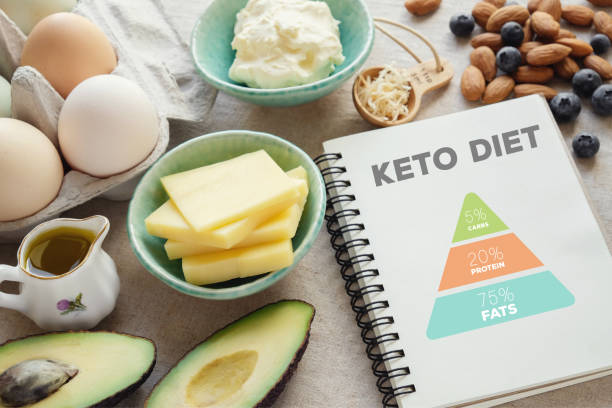
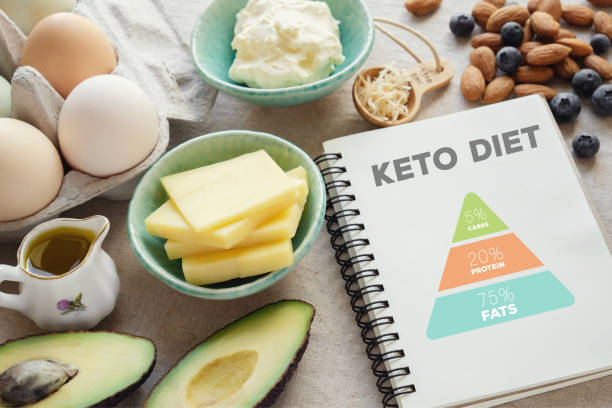
  1. Understand the basics: The keto diet is a high-fat, moderate-protein, and very low-carb diet. It typically contains 75% fat, 20% protein, and only 5% carbs. By drastically reducing carbs and increasing fat, your body enters a metabolic state called ketosis, where it begins to burn fat for fuel instead of carbs. This process can lead to weight loss and other health benefits.
  2. Calculate your macros: To follow the keto diet, you need to know how many grams of fat, protein, and carbs you should be eating each day. This can be calculated using a macro calculator or by working with a nutritionist. The exact ratio of fat, protein, and carbs will depend on your individual needs and goals.
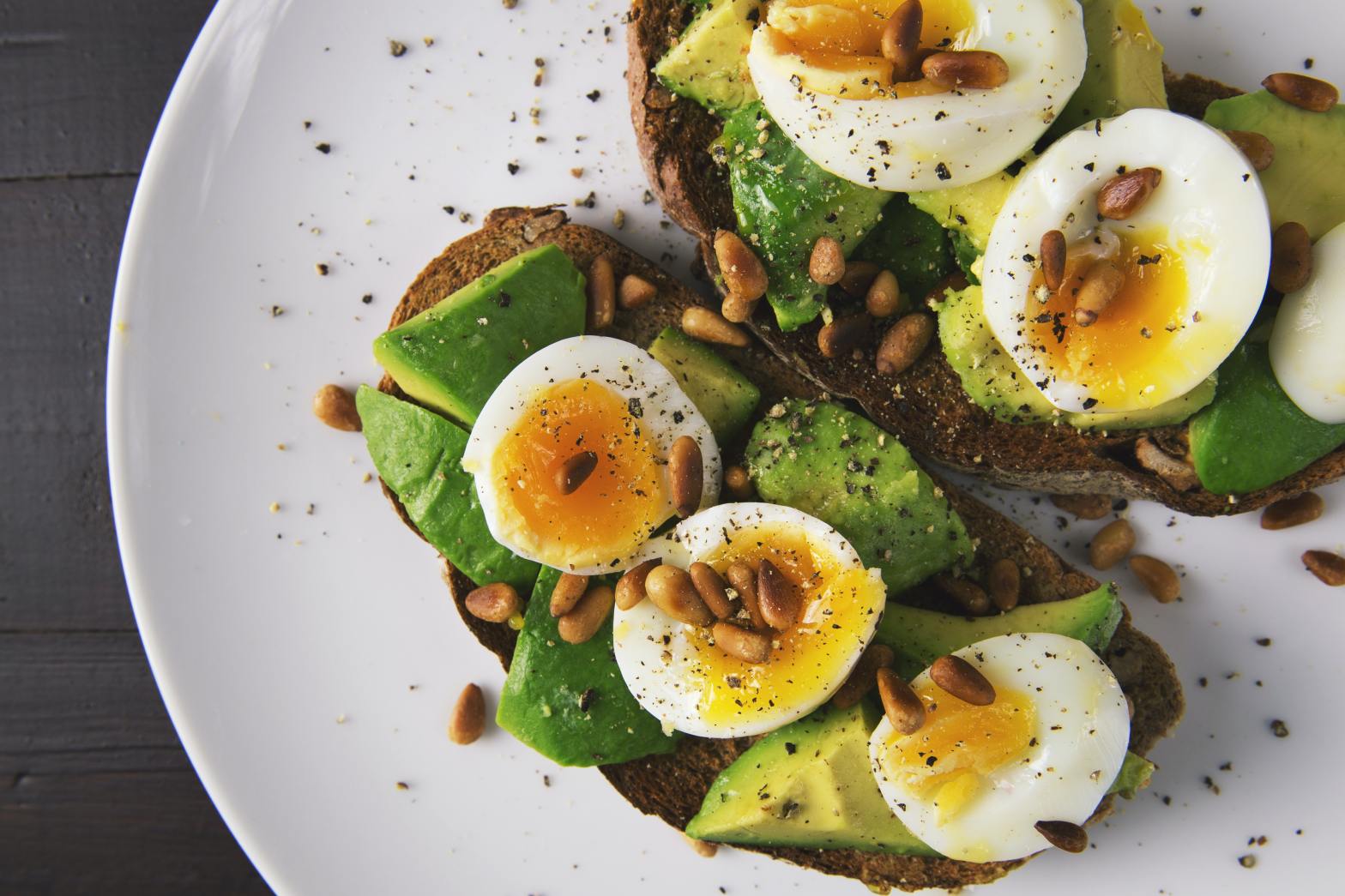
  3. Choose keto-friendly foods: The keto diet is not about counting calories, it’s about eating the right types of foods. Some good options for a keto diet include avocado, olive oil, coconut oil, nuts, seeds, and full-fat dairy products. You should also eat plenty of low-carb vegetables, such as spinach, broccoli, and kale. It’s important to choose minimally processed, whole foods as much as possible.
  4. Know what to avoid: There are some foods that are not allowed on the keto diet, or should be limited. These include sugary foods, grains, and most fruits. You should also avoid processed foods and foods high in carbs, such as bread, pasta, and rice. It’s also important to limit your intake of protein, as eating too much can kick you out of ketosis.
  5. Stay hydrated: It’s important to drink plenty of water on the keto diet to stay hydrated and to help your body get into ketosis. You should aim to drink at least 8 glasses of water a day. It’s also a good idea to drink electrolyte-rich beverages, such as coconut water or bone broth, to help balance out the electrolytes lost through ketosis.
  6. Plan your meals: To make the keto diet easier to follow, it’s a good idea to plan your meals in advance. This can help you stick to the diet and make sure you’re getting all the nutrients you need. You can use a meal planning app or create a meal plan on your own. Be sure to include a variety of keto-friendly foods to ensure you’re getting all the nutrients you need.
  7. Consider supplements: While the keto diet can be very nutritious, it may be difficult to get all the nutrients you need from food alone. Some people choose to take supplements, such as magnesium and potassium, to help fill in any gaps. It’s important to speak with a healthcare professional before starting any supplements, as they can help you determine which ones are right for you.

Click Here for a Comprehensive 30 Days Keto Diet Meal Plan

The keto diet can be a powerful tool for weight loss, but it’s important to speak with a healthcare professional before starting any new diet. They can help you determine if the keto diet is right for you and provide guidance on how to follow it safely.

“Combining the Keto Diet with Intermittent Fasting: A Powerful Approach for Weight Loss and Overall Health Improvement”

The ketogenic diet, or keto diet for short, is a low-carb, high-fat diet that has been shown to be effective for weight loss and improving overall health. It involves drastically reducing carbohydrate intake and replacing it with healthy fats, which puts the body into a metabolic state called ketosis. In this state, fat from the diet and from the body is burned for energy, leading to weight loss and other potential health benefits. Some of the potential health benefits of the keto diet include improved blood sugar control, reduced risk of certain health conditions, and increased weight loss.

Intermittent fasting is another popular approach to improving health and losing weight. It involves regular periods of fasting, or not eating, interspersed with periods of non-fasting. Some of the potential health benefits of intermittent fasting include weight loss, improved insulin sensitivity, and reduced inflammation. There are several different methods of intermittent fasting, including the 16/8 method (fasting for 16 hours and eating during an 8-hour window), the 5:2 diet (eating normally for 5 days and restricting calories to 500-600 for the other 2 non-consecutive days), and alternate day fasting (fasting every other day).

Click here for a 30 days Comprehensive Keto Meal Plan

Combining a keto diet with intermittent fasting may be an especially effective approach for weight loss and overall health improvement. One study found that people who followed a keto diet and intermittent fasting lost significantly more weight and had a greater reduction in body fat percentage than those who followed a standard calorie-restricted diet.

It’s important to note that more research is needed to fully understand the potential benefits and risks of combining a keto diet with intermittent fasting. As with any diet or lifestyle change, it’s always a good idea to speak with a healthcare professional before starting.

However, if you are considering the keto diet and intermittent fasting as a way to improve your health and achieve your weight loss goals, it’s important to consult with a healthcare professional and pay attention to your individual needs and preferences. It’s also important to listen to your body and make sure you are getting enough nutrients and staying hydrated while following these diets.

Click here for a 30 days Comprehensive Keto Meal Plan